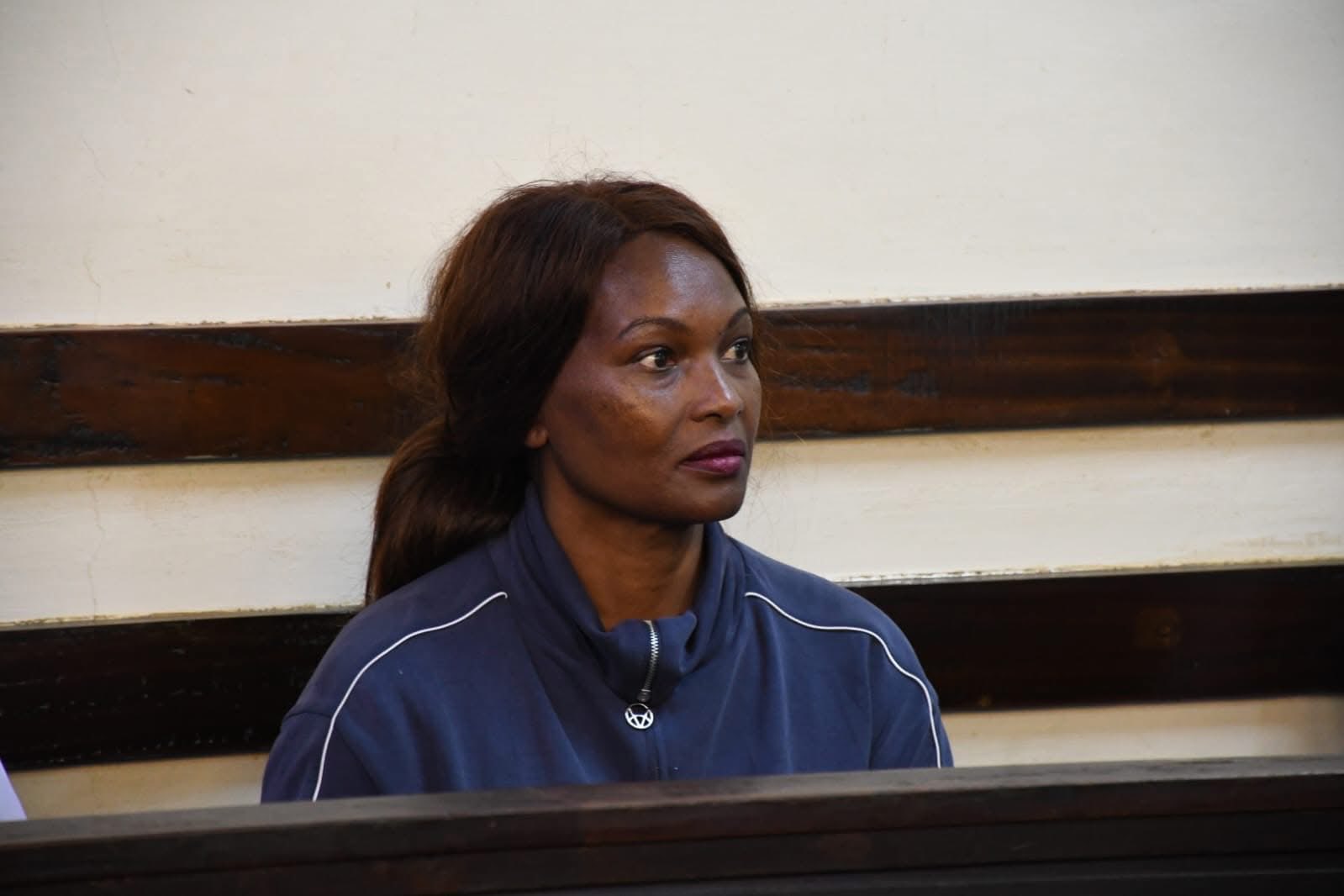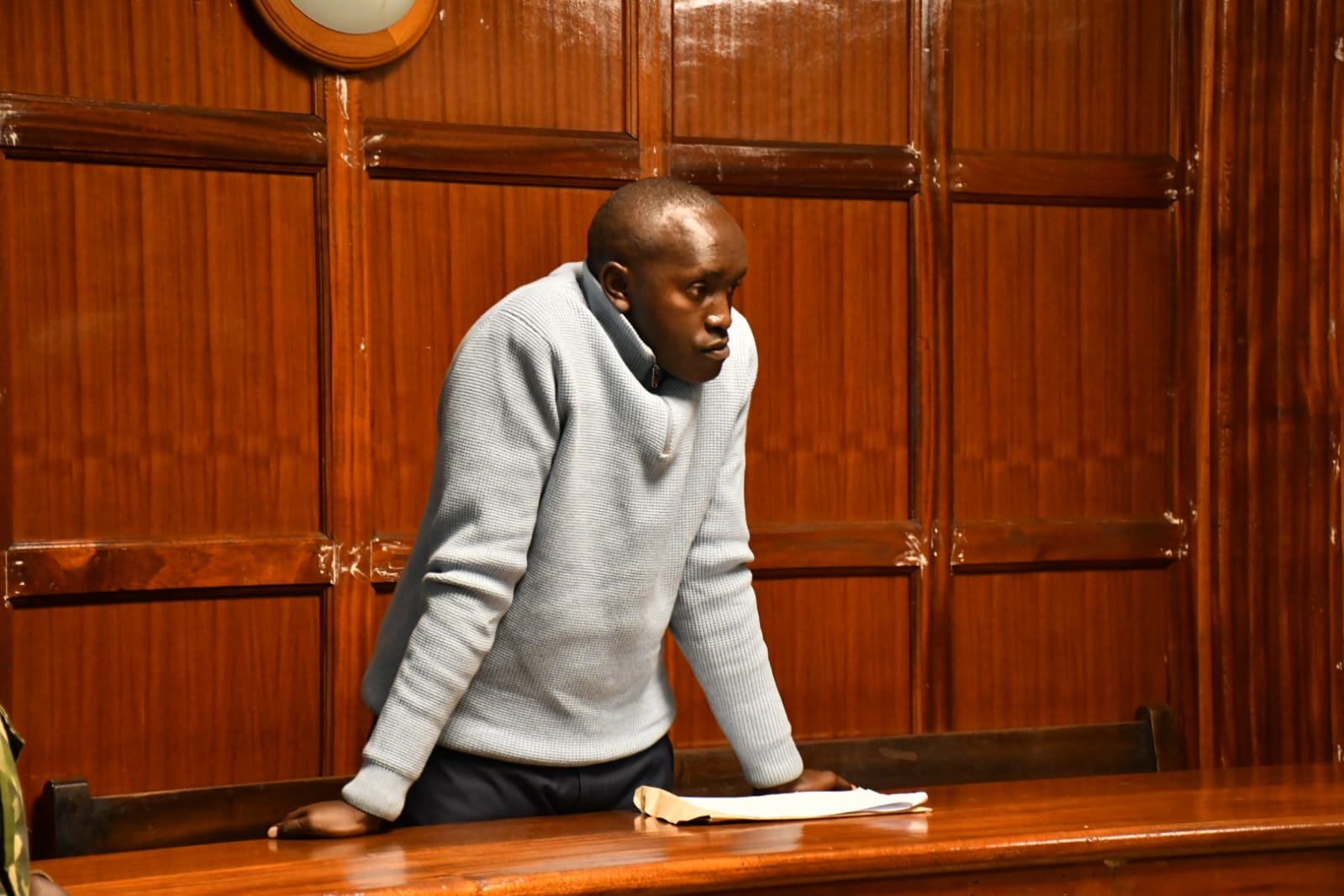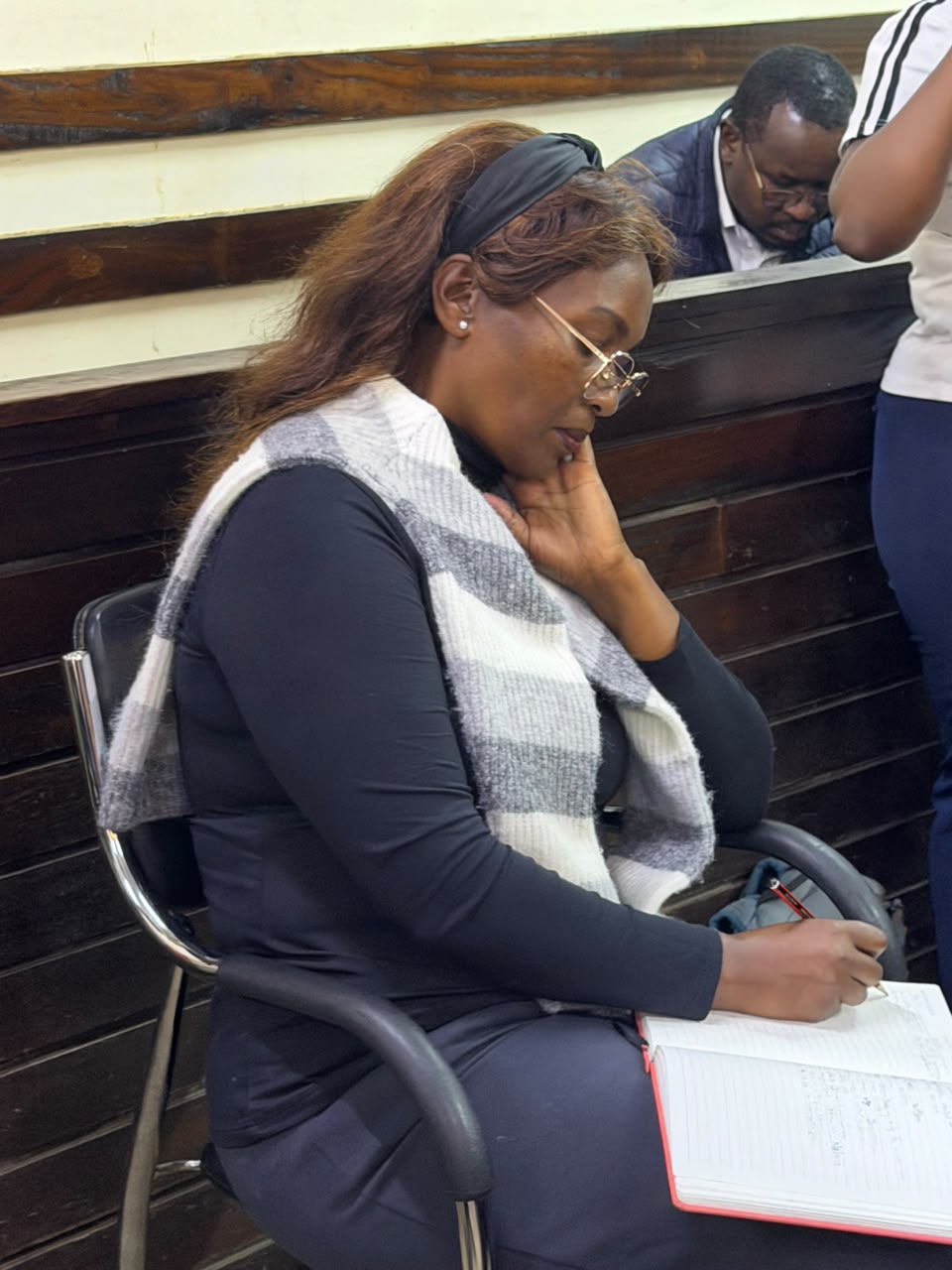
Prosecution today continued presenting evidence in the murder trial of Dutch businessman Tob Cohen, with witnesses recounting the events leading to his disappearance, the investigations that followed and the eventual recovery of his body from a septic tank in Lower Kabete, Nairobi.
Before Justice Diana Kavedza at the Kibera Law Courts, witnesses explains that concerns over Cohen’s whereabouts were first raised in July 2019 after he became unreachable, prompting the Netherlands Embassy to report his disappearance to the police.
Testifying as Prosecution Witness 26 (PW26), Fatuma Hadi Ali, who was then serving as the Kilimani Sub-County Criminal Investigations Officer (DCIO), told the court that she received a missing-person report on 30th July 30 2019.
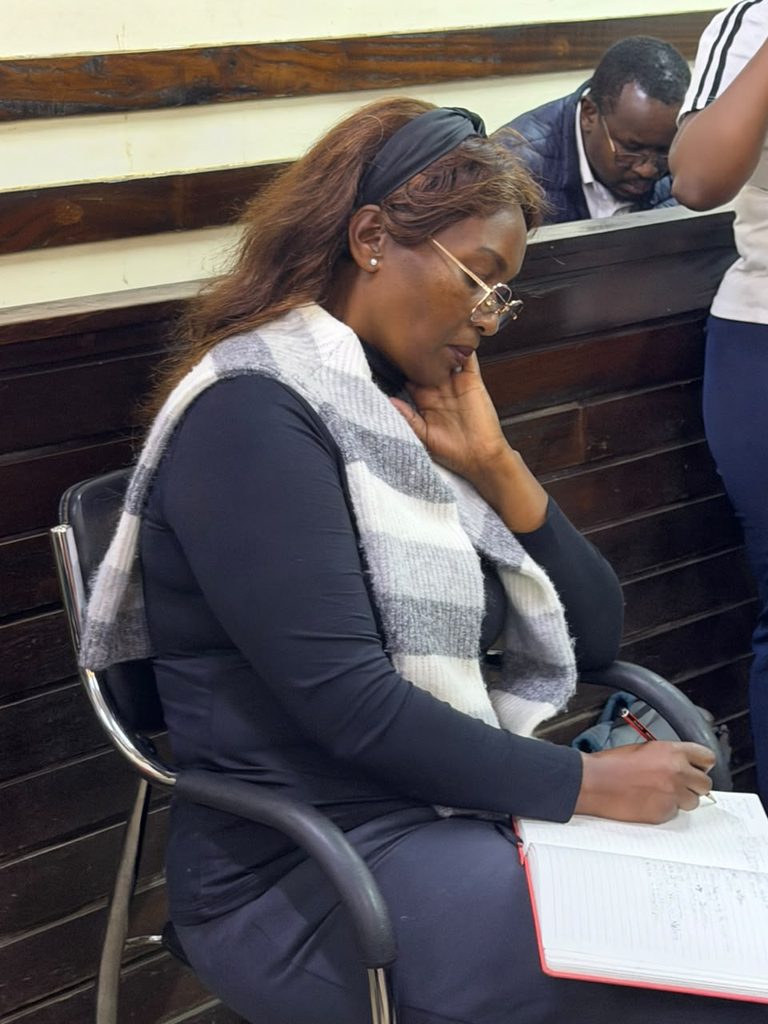
She subsequently contacted Cohen’s wife, Sarah Wairimu, and informed her that investigations into his disappearance had commenced. According to Ms. Hadi, Sarah maintained that her husband had travelled to the Netherlands for medical treatment.
The following day, Sarah visited the police station, where she reportedly told investigators that she had breakfast with Cohen before his departure and that he had apologised to her.
However, when asked to provide details of the airline he had used, Sarah was unable to do so. The court further heard that she had not communicated with Cohen since his alleged departure.
When investigators questioned whether she was concerned about the prolonged lack of communication, Sarah reportedly reassured them: “Don’t worry. I know he is in the Netherlands for treatment and he will be back.”
Further, prosecution also presented evidence relating to the events of 13th September 2019, when investigators received information suggesting that a body could be concealed inside a septic tank at a property in Lower Kabete.
The court heard that a witness who proceeded to the scene found DCI officers, lawyers and other individuals already present. After putting on protective equipment, he participated in the recovery operation.
According to his testimony, the body was wrapped in a black bedsheet and bound with manila ropes. It was further covered with a polythene bag, while the head was bound with a red bathrobe.
The body was subsequently identified by Cohen’s sister, Gabrielle, before being placed in a body bag and transferred to Chiromo Mortuary.
In a separate session, the prosecution presented its 27th witness, forensic document examiner John Muinde, who testified on disputed signatures allegedly linked to the late businessman.
Muinde explained how forensic document examination can distinguish genuine signatures from imitations.
He told the court that his examination of the questioned signatures, marked N, P and Q, revealed characteristics consistent with an attempt to imitate Cohen’s handwriting.
Invoking the forensic principle of individuality, attributed to Dr Paul Kirk, the examiner explained that every object, whether natural or man-made, possesses distinctive characteristics that cannot be reproduced with absolute precision.
He testified that the person who appended the disputed signatures appeared to have attempted to reproduce Cohen’s individual handwriting characteristics, describing the process as simulated handwriting or signature forgery.
Muinde explained that a person attempting to forge a signature may study and practise the original before reproducing it. However, subtle inconsistencies in pen movement, letter proportions and structural formation can expose an imitation.
Using enlarged images, he demonstrated to the court how he compared the questioned signatures with Cohen’s known signatures, focusing on the freedom of pen movement, relative proportions of letters and the overall structure and size of the signatures.
The forensic testimony forms part of the prosecution’s efforts to establish the circumstances surrounding Cohen’s death and the events preceding it.