Victims of past protests, or their families, who did not formally file complaints now have a window until early April to submit their grievances to the Kenya National Commission on Human Rights (KNCHR) as the commission works on a compensation framework for human rights violations. Citizen Digital reports
In a press statement issued Friday, KNCHR urged victims of protest-related abuses and other violations to come forward and submit supporting documents to aid verification.
The commission said the process is part of ongoing efforts to develop a framework for compensation and reparations to victims of human rights violations.
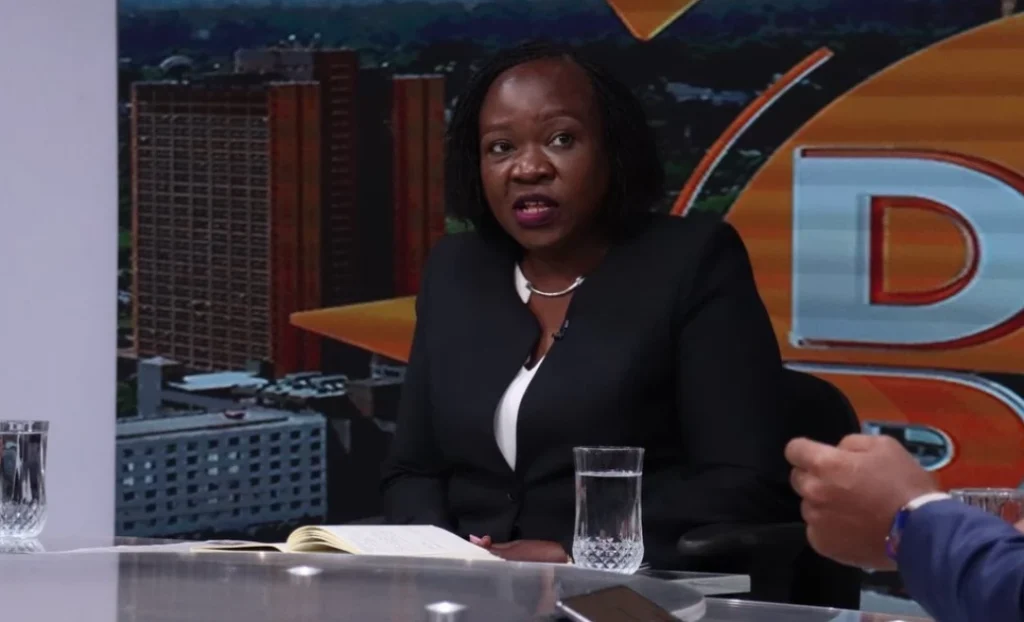
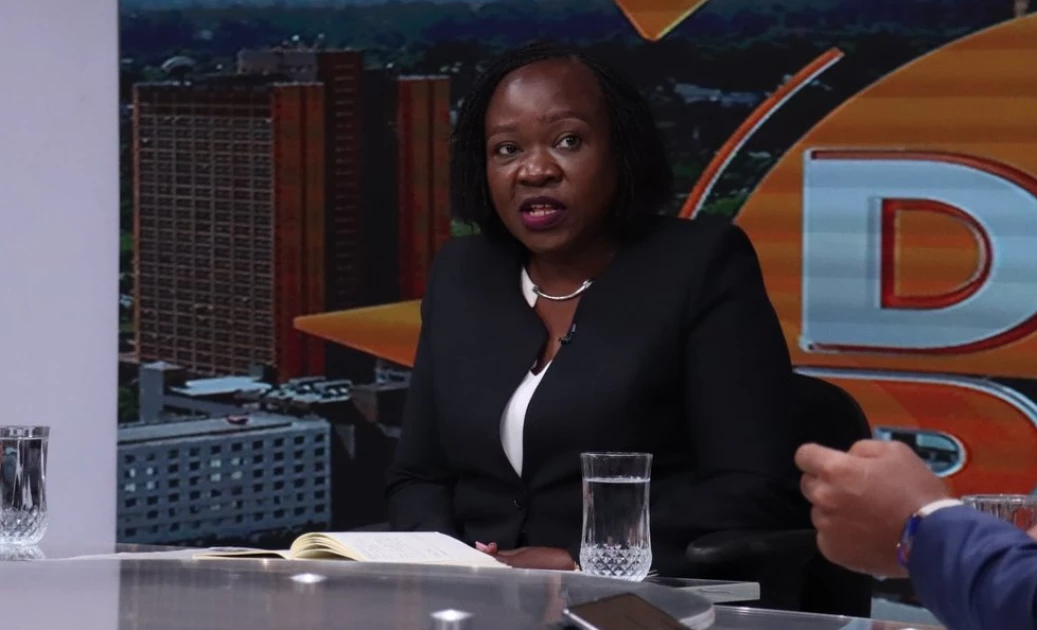
“The commission has initiated internal technical work, begun mapping areas most affected by protest-related and other human rights violations, and started engaging key stakeholders so that a credible framework can be put in place to guide a transparent, accountable, and comprehensive reparations process,” the statement by chairperson Claris Ogangah said.
Victims are required to submit supporting documents, including P3 forms, medical reports, OB reports and post-mortem reports by Friday, April 3, 2026, through the commission’s official communication channels or by visiting its offices.
Ogangah noted that the commission has a short timeline to verify victims and finalise the compensation framework, warning against filing false claims.
The exercise follows a landmark judgment of the High Court in Kerugoya delivered on December 4, 2025, which affirmed the commission’s constitutional mandate under Article 59 of the Constitution and the KNCHR Act, 2011, to design a reparations framework for human rights violations.
It also follows a proclamation and gazette notice issued on March 6, 2026, by President William Ruto directing the commission to submit a report containing a framework for compensation and reparations to victims of human rights violations within 60 days.