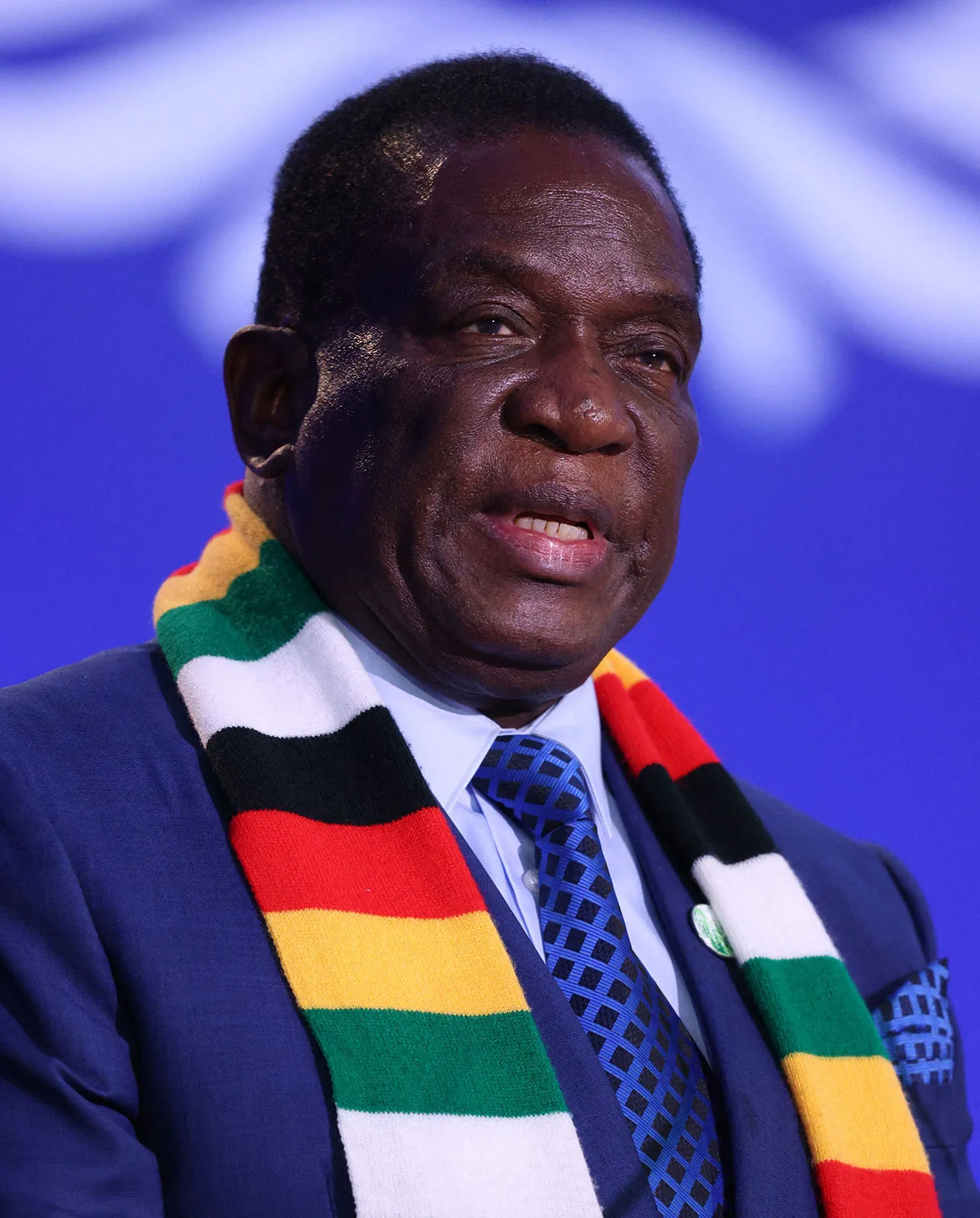
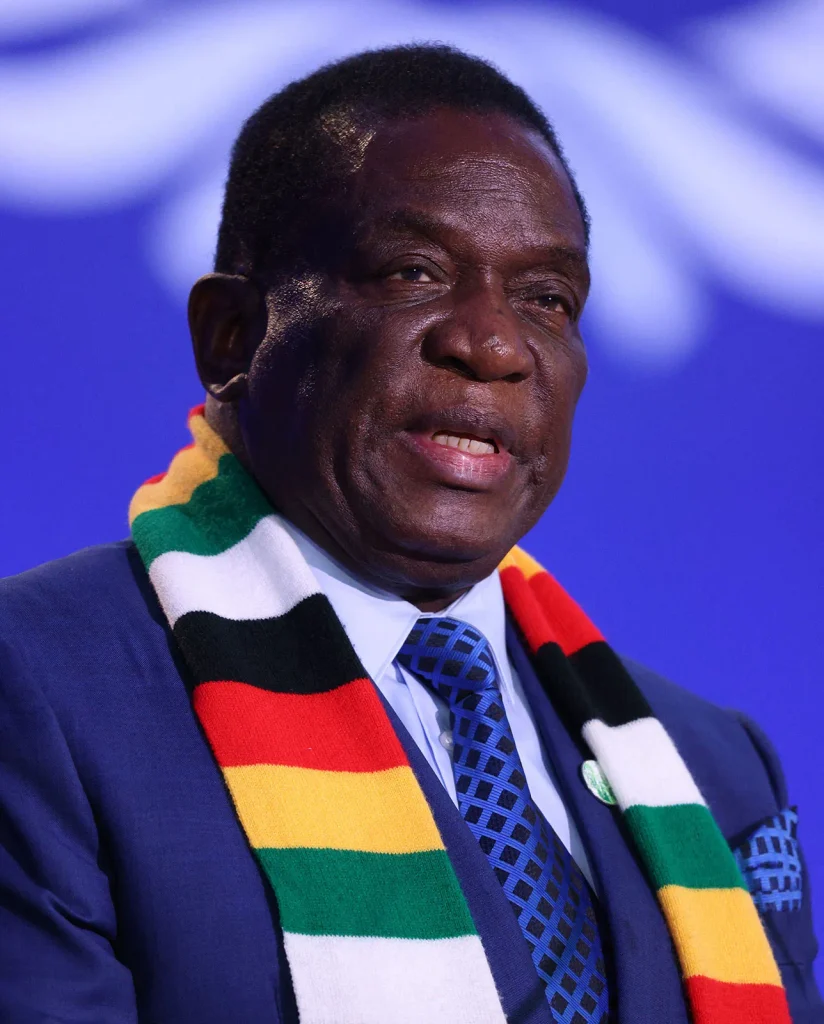
HARARE, Zimbabwe — The government of Zimbabwe has officially amended its national calendar to declare September 15 an annual public holiday in honor of President Emmerson Mnangagwa’s birthday, triggering intense public debate over political legacy and economic productivity.
The new holiday, officially designated as Munhumutapa Day, was observed across the country for the first time this past Tuesday, coinciding with the president’s 84th birthday celebrations.
The Legislative Push
The formalization of the holiday concluded earlier this year following the gazetting of Statutory Instrument 148 of 2026 by the Ministry of Home Affairs and Cultural Heritage. The decree legally amended the Public Holidays and Prohibition of Business Act, converting the date into a mandatory national day of rest.
The legislative move stems from a resolution passed during the ruling Zimbabwe African National Union-Patriotic Front (ZANU-PF) annual people’s conference late last year. The party’s Youth League spearheaded the campaign to elevate the president’s birthday from a localized party event into a state-recognized celebration.
Dynastic Imagery and Historic Roots
A key point of discussion surrounding the holiday is its official title. Rather than utilizing the president’s name directly, the government anchored the day in the imagery of the Mutapa Empire, a powerful pre-colonial kingdom that ruled large portions of Southern Africa between the 15th and 17th centuries.
Rulers of the historic empire bore the title Mwene Mutapa (or Munhumutapa), signifying supreme authority.
State media and ZANU-PF officials defended the nomenclature, arguing that the holiday is designed to honor Zimbabwe’s broader heritage of indigenous statehood and anti-colonial resilience. Government spokespersons emphasized that the day serves as a vehicle to teach the country’s youth about patriotism and national history, framing President Mnangagwa as a modern custodian of that historical legacy.
A Polarized Public Response
The introduction of Munhumutapa Day has drawn sharp criticism from opposition political factions, labor unions, and civil society groups, exposing deep ideological divisions.
Critics argue that establishing a national holiday for a sitting president fosters a cult of personality. Opponents also point out a historical duplication on the national calendar: Zimbabwe already observes Robert Gabriel Mugabe National Youth Day on February 21, a holiday enacted to honor the country’s late founding president. Detractors argue that adding a second presidential birthday serves partisan interests rather than genuine national unity.
Furthermore, economic analysts have raised concerns regarding the financial impact of the decree. With Zimbabwe navigating complex macroeconomic stabilization efforts, economists warn that adding mid-week closures to the business calendar disrupts industrial output, retail trade, and civil services, imposing unexpected costs on a strained private sector.
Despite the pushback, the government maintained that the inaugural celebrations were a success, marked by state-aligned youth symposiums, cultural exhibitions, and loyalty rallies held across the country’s provinces.