In June 2024, the internal security team at the Office of the Prime Cabinet Secretary (OPCS), Musalia Mudavadi, received an actionable tip-off regarding highly suspicious activities taking place over the weekend at the Kenya Railways Headquarters premises. The intel flagged that unauthorized individuals were masquerading as VIP guests and government officials to bypass security entry protocols.
Instead of immediate interception, OPCS security partnered with deep-cover DCI detectives to mount intensive surveillance at the building.
According to court documents, the detectives tracked a specific pattern where the scammers were shepherding unsuspecting foreign investors into the building under false pretenses.
The scammers lured businessmen from South Africa and Dubai to Kenya by dangling fake multi-million dollar international contracts under the AFCON 2027 Stadium Tender Scheme.
The syndicate’s ultimate objective was to extract a USD 45,000 (approx. KSh 5.8 million) upfront “registration and facilitation fee” from the investors before handing over the “contracts.”

Because no sophisticated international businessman would wire thousands of dollars to a stranger met in a hotel lobby or a private cafe for a sovereign state contract. The investors would immediately demand proof that the deal was real, legal, and officially backed by the state.
The scammers knew this, and brought the investors to Nairobi, and explicitly chose to host them inside a top-tier government office, because the entire plot depended on a psychological concept known as institutional credibility.
To overcome the investors’ natural suspicion, the scammers needed to put on a flawlessly convincing performance.
Working with former Citizen TV’s presenter, Salim Swaleh, they used his office at the Railways Headquarters (the Office of the Prime Cabinet Secretary) as their ultimate stage prop.
Because the investors would pass through heavily armed state security guards, vehicle checks, and biometric gates at a real government headquarters, and not a rented office space in the CBD, this would immediately lower the investors guard; their brains would signal that they were in a safe, official, and legitimate environment.
Inside the office, the investors would see government flags, official seals, civil service desks, and counterfeit door nameplates matching the high-level titles the scammers were using.
The scammers knew an investor signing paperwork inside a room that belongs to the heart of the Executive branch of government, the Prime Cabinet Secretary, would make the fake contracts look ironclad

Holding the meeting in the executive office allowed the scammers to claim that they had direct, exclusive access to the highest powers in the country.
They targeted the venue to promise the investors that as soon as the upfront fees were cleared in that room, they would immediately step next door to meet the Cabinet Secretaries of Sports and Interior, as well as influential parliamentary senators.
By “renting” the office, the scammers bought an elite layer of trust that no corporate office could ever replicate, making it easy to convince the investors to part with their money.
Getting unrecorded civilians and international guests past the heavily fortified security gates of the Railways Headquarters requires an insider signature.
As a Director within the Office of the Prime Cabinet Secretary (OPCS), Salim Swaleh possessed the administrative authority to issue security clearance instructions to the guards at the main gate.
According to the DCI, investigators found that the gate security was instructed to clear the vehicles carrying the foreign investors and the scammers without subjecting them to the mandatory rigorous screening or logging them as standard visitors. They were waved through under the guise of being “official VIP guests” arriving for an urgent executive briefing.
The syndicate chose to execute the scam on a weekend, by choosing a Saturday, the scammers deliberately took advantage of reduced weekend staffing.
The skeleton security crew on duty was less likely to question an executive-level clearance instruction coming from a known director’s office.Once inside the building, the scammers had to align the physical environment with the corporate identities they had fabricated during their email pitches to the investors.
The syndicate carried pre-fabricated, official-looking magnetic or adhesive nameplates into Swaleh’s office.
Once inside, they unscrewed or covered Swaleh’s actual designation as “Director of Press Service” and replaced the signs with counterfeit designations representing senior procurement chairs and state infrastructure directors from the Ministry of Sports and the National Treasury.
When the South African and Dubai investors walked down the corridor, the physical signs on the door perfectly validated the business cards and emails they had received.
To the victims, they were walking into the engine room of Kenya’s multi-billion shilling AFCON infrastructure development committee.
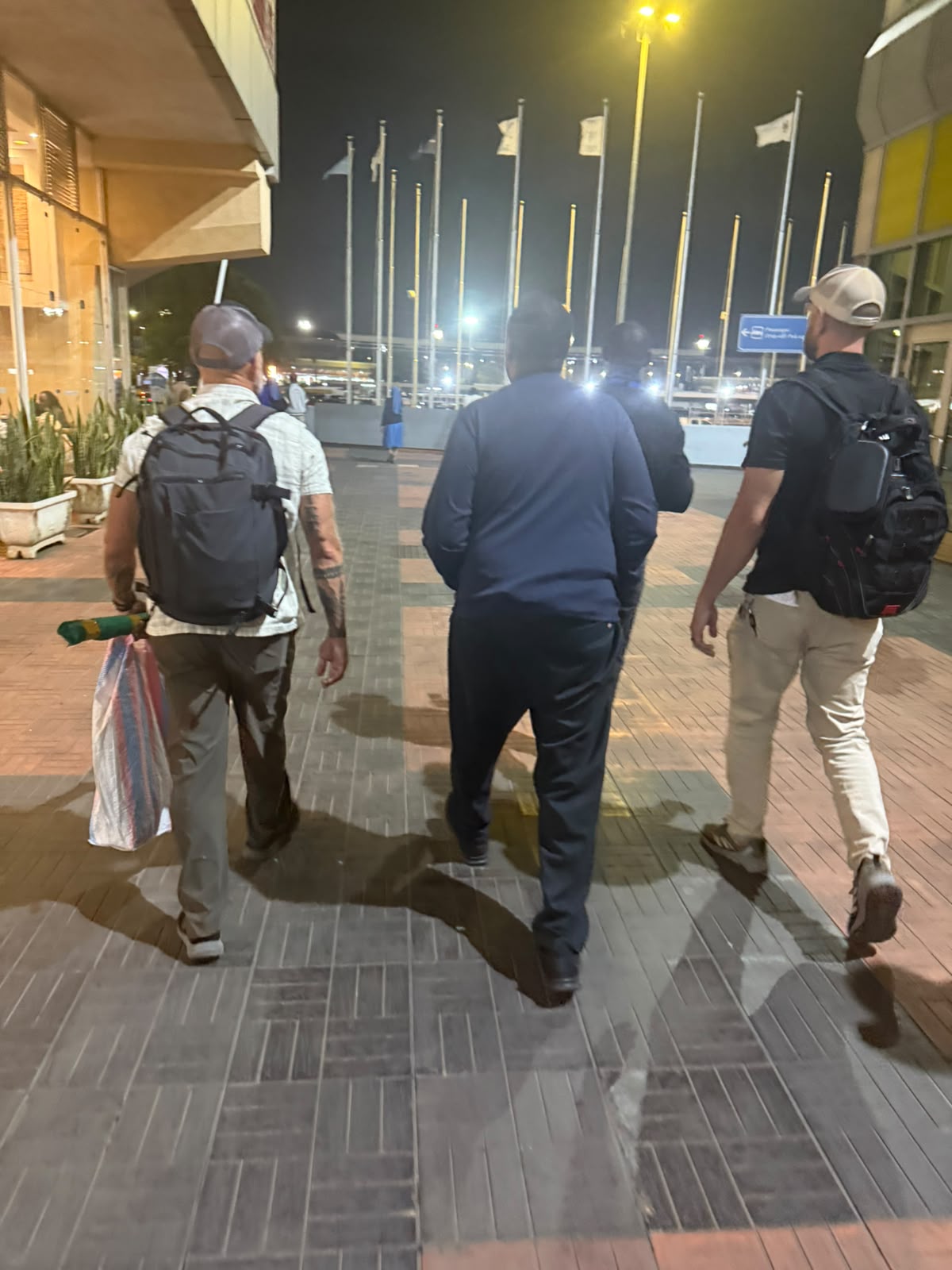
On Saturday, June 22, 2024, the OPCS internal security team and undercover DCI agents quietly took up tactical surveillance positions within the building corridors after flagging the unusual weekend entry of the vehicles. Once the deceptive trap was fully documented, DCI detectives and security teams executed a sting operation, bursting into the office to arrest everyone present.The Swaleh, and his team sealed their own fate during the bust.
Upon being cornered, the group attempted to bribe the DCI detectives and security officers on the spot to secure their freedom and let them walk out of the building. The detectives rejected the bribe, recorded the attempt as an additional offense, and transferred Swaleh and the five co-conspirators straight to the DCI Headquarters along Kiambu Road for interrogation and subsequent prosecution. Because security stepped in before the investors handed over the USD 45,000 (KSh 5.8 million) cash or wire transfer, the trap was sprung while the scammers were still sitting in the rented chairs with the fake door signs still attached.
If the scam went through successfully, the scammers would temporarily take over the desks, and the insider, Swaleh, would wait to collect his payout once the deal was done. Once the investors realize they were scammed and demand answers, the government would officially checks its HR registry, because the scammers names were not in the government registry, the government would truthfully says, “Those names and titles do not exist on our payroll. We have no record of this contract.”
Because the fake door signs would be unscrewed and stripped away immediately after the meeting, there would be no physical evidence left behind on Monday morning.
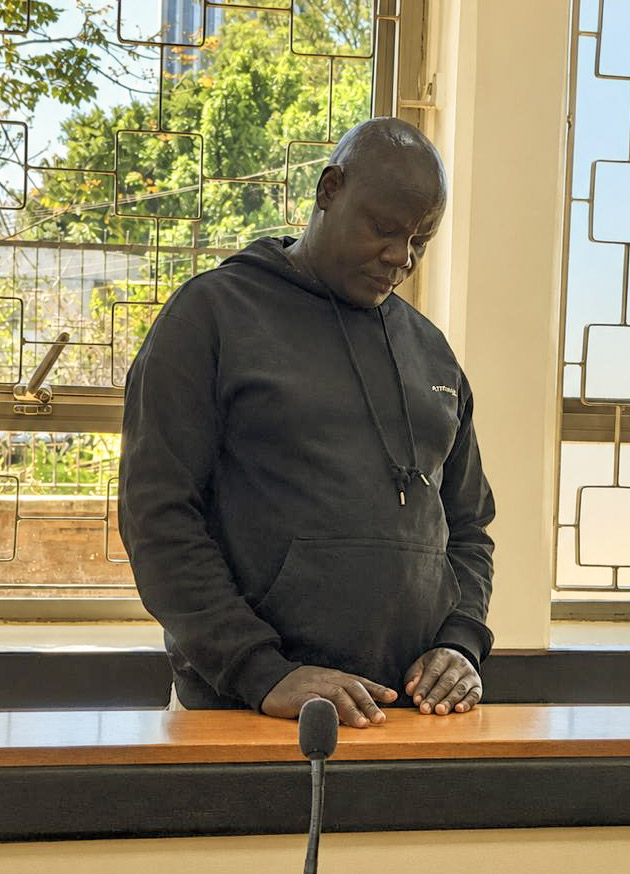
Swaleh and his five co-accused individuals were officially arraigned in court at the Milimani Law Courts to face charges of conspiracy to defraud and abuse of office.